
Sonaca 200 Specs, Interior, Cockpit, and Price – The Sonaca 200 is a two-seat light sport aircraft designed by Sonaca Aircraft based in Belgium for pilot training and relaxed flight. This aircraft was first introduced at the Aero Friedrichshafen event in April 2016. It became the first aircraft to be assembled in Belgium and designed for the general aviation market, especially in the European region. The Sonaca 200 aircraft has obtained the European Aviation Safety Agency (EASA) type certificate in June 2018. In addition to obtaining type certification, the aircraft has also obtained a Design Organization Approval (DOA) and Production Organizations Approvals (POA) certification.

The Sonaca 200 aircraft integrates a conventional tail with balanced horn and elevator stabilizers for flutter prevention. The aircraft is equipped with steerable nose wheels and can be controlled as long as the cab on any surface can avoid the initial wear of the brakes. The main landing gear has glass fiber with strong shock absorption, and is designed for use on unprepared runways and grass. This aircraft has a sharp engine cover design to maximize propeller efficiency. The aircraft's structure is repaired with rivets, which include inspection panels that can be easily removed for maintenance.
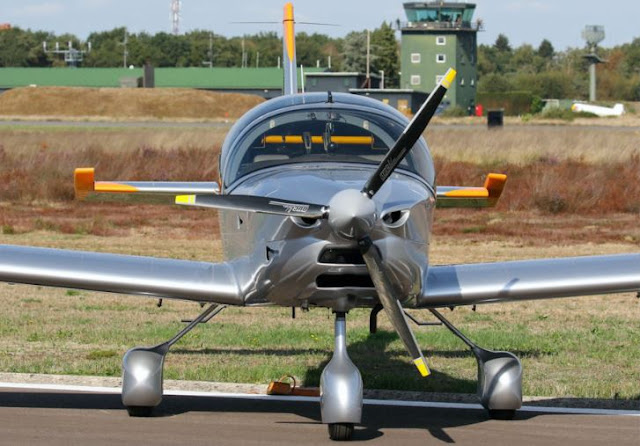
The aircraft is equipped with two fuel tanks on the aircraft wings with a total capacity of 140 l. The type of fuel used can be avgas or mogas. The Sonaca 200 can fly with a maximum cruise speed of 115 knots and a stall speed of 45 knots. It has a range of 750 nm and a climbing rate of 750 ft per minute (fpm). The aircraft's empty weight is 480 kg and the maximum take-off weight (MTOW) is 750 kg. It can take a useful payload of 320 kg and requires a 350 m take-off distance and a 300 m landing distance.
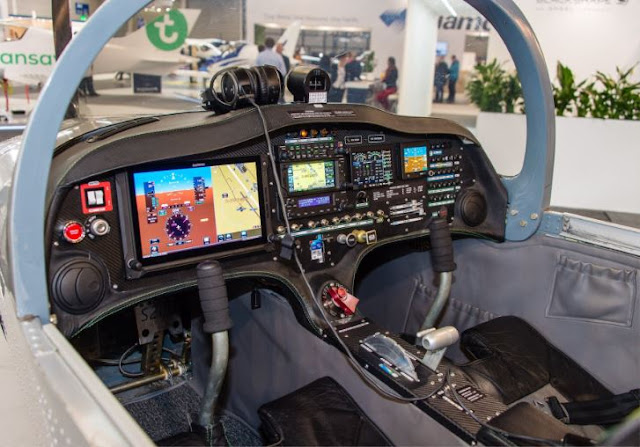
Sonaca 200 Specs
The Sonaca 200 fuselage is built with an aluminum structure that resists half-stress corrosion. The fuselage, wings and tail of the aircraft are built using aluminum alloy. The aircraft wing is equipped with an electric perforated cover and a balanced pushrod aileron. Excellent spotlights, navigation and landing are mounted on both wings to increase visibility in adverse conditions. These winglets have an elliptical shape that is optimized to reduce aerodynamic drag. The overall dimensions of the aircraft include a length of 7 m and a wing width of 9.15 m.The Sonaca 200 aircraft integrates a conventional tail with balanced horn and elevator stabilizers for flutter prevention. The aircraft is equipped with steerable nose wheels and can be controlled as long as the cab on any surface can avoid the initial wear of the brakes. The main landing gear has glass fiber with strong shock absorption, and is designed for use on unprepared runways and grass. This aircraft has a sharp engine cover design to maximize propeller efficiency. The aircraft's structure is repaired with rivets, which include inspection panels that can be easily removed for maintenance.
Sonaca 200 Engine and Performance
The Sonaca 200 is powered by a four-cylinder, four-stroke Rotax 914F engine liquid / air-cooled with an opposite cylinder. The engine can produce an output power of 115 hp. The engine drives a Duc Hélices 3-blades fixed pitch propeller. The engine provides short takeoff performance, high climb rates at high altitudes, as well as safe cruising speeds for long trips. It offers 2,000 hours of overhaul (TBO).The aircraft is equipped with two fuel tanks on the aircraft wings with a total capacity of 140 l. The type of fuel used can be avgas or mogas. The Sonaca 200 can fly with a maximum cruise speed of 115 knots and a stall speed of 45 knots. It has a range of 750 nm and a climbing rate of 750 ft per minute (fpm). The aircraft's empty weight is 480 kg and the maximum take-off weight (MTOW) is 750 kg. It can take a useful payload of 320 kg and requires a 350 m take-off distance and a 300 m landing distance.



Hearts are the most iconic Valentine symbol and continue to be a staple in nail art designs. From classic solid hearts to modern abstract outlines, heart-inspired nails come in endless variations. Tiny, scattered hearts create a soft and delicate look, while larger heart designs make a bold statement.
ReplyDeletePlacing hearts in unexpected areas—like near the cuticle, along the tips, or at the sides—adds a creative twist to traditional styles. Combining heart motifs with elements such as glitter, stripes, or marble effects keeps the design fresh, stylish, and visually interesting.https://colornjoy.com/blogs/halloween-wallpapers
https://colornjoy.com/blogs/hello-kitty-wallpapers
https://colornjoy.com/blogs/hello-kitty-wallpapers/lock-screen-hello-kitty-wallpaper-iphone-download-1qi7z82u2
https://colornjoy.com/blogs/basketball-wallpapers/nike-basketball-wallpaper-4k-hd-9sg9r45r4
Insulation is a key feature for anyone moving between different environments throughout the day. Insulated bottles keep drinks cold during intense workouts and warm during long hours at the office or school. Double-wall insulation not only preserves the beverage temperature but also prevents condensation on the outside, keeping desks dry, backpacks protected, and hands comfortable
ReplyDeletehttps://colornjoy.com/products/teddy-bear-coloring-water-bottle-outdoor-toys
https://colornjoy.com/products/rainbow-squad-coloring-water-bottle-cartoon-character
https://colornjoy.com/products/explorer-time-coloring-water-bottle-adventure-theme
https://colornjoy.com/products/cactus-oasis-coloring-water-bottle-flower-theme
https://colornjoy.com/products/cozy-ghost-halloween-40oz-tumbler-travel-mug